Menopause and Period Changes
Explanation
One of the earliest and most noticeable signs of the menopause transition is changes in menstrual cycles. Periods may become irregular—shorter, longer, heavier, lighter, or skipped altogether—as the ovaries gradually reduce hormone production. This stage, known as perimenopause, can last several years before periods stop completely (menopause is officially diagnosed after 12 months without a period).
Causes and Risk Factors
Period changes are primarily due to declining and fluctuating estrogen and progesterone levels, which disrupt the menstrual cycle. Other factors that may influence menstrual changes include:
Age (typically late 40s to early 50s)
Stress and chronic high cortisol
Smoking or alcohol use
Certain medical treatments (such as chemotherapy or hysterectomy)
Underlying conditions like fibroids, endometriosis, or thyroid disorders
Linked Health Conditions
Irregular or changing periods during menopause may overlap with or increase risk for other health concerns:
Anemia – from heavy bleeding
Fibroids or polyps – may worsen during perimenopause
Thyroid dysfunction – can mimic menstrual irregularities
Polycystic ovary syndrome (PCOS) – influences cycle changes and hormonal balance
Endometrial cancer risk – any abnormal, very heavy, or postmenopausal bleeding should always be evaluated
Diagnosis and Treatment
Menstrual changes are often a natural part of the transition, but diagnosis may include:
Symptom history and tracking – documenting changes in flow and cycle length
Blood tests – to check hormone levels, thyroid function, or anemia
Pelvic exam and imaging – to rule out fibroids, polyps, or other conditions
Endometrial biopsy – if abnormal bleeding raises concerns
Treatment options depend on severity:
Hormone therapy (HRT): Helps regulate cycles and relieve other symptoms
Non-hormonal options: Low-dose birth control pills, IUDs, or medications to reduce bleeding
Iron supplements: For anemia due to heavy periods
Surgical options: If fibroids, polyps, or severe bleeding are present
Preventative Lifestyle Measures
Healthy habits can help ease period changes and reduce risks during the menopause transition:
Track cycles: Use an app or journal to notice irregularities early
Eat for balance: Iron-rich foods (leafy greens, beans, lean meats) to prevent anemia
Exercise regularly: Supports hormonal balance and stress management
Manage stress: Mind-body practices help stabilize cycles
Stay hydrated and avoid excess alcohol or caffeine: To reduce bloating and discomfort
Regular health screenings: Pap smears, pelvic exams, and bloodwork to monitor reproductive and overall health
Menstrual Changes
-
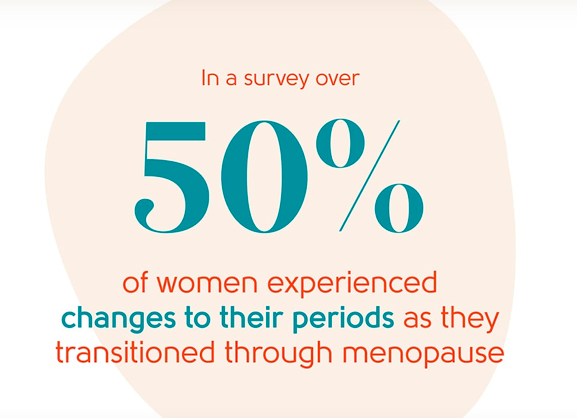
Menopause and Period Changes
Changes in our periods may be a signal of the perimenopausal transition.
-
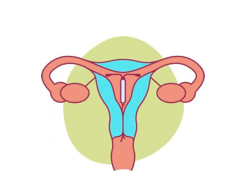
Cycle Changes and Menopaus
Things we can expect during the Menopause transition.
-

Managing Heavy Periods
Some understanding on heavy periods during perimenopause and some treatment options.