Menopause and Joint Pain
Explanation
Joint pain and stiffness are common complaints during the menopause transition. Many women notice aches in the hands, knees, hips, or spine, along with reduced flexibility and occasional swelling. This discomfort is linked to hormonal shifts, particularly the decline in estrogen, which plays a role in reducing inflammation and supporting joint tissue health.
Causes and Risk Factors
The root cause of menopausal joint pain is declining estrogen levels, which affect cartilage, ligaments, and overall joint lubrication. Additional factors that can contribute include:
Aging and natural wear and tear on joints
Weight gain during midlife, adding stress to joints
Sedentary lifestyle leading to muscle weakness and stiffness
Previous joint injuries or overuse
Poor posture or repetitive strain
Smoking and excess alcohol use
Genetic predisposition to arthritis or inflammatory conditions
Linked Health Conditions
Joint pain during menopause may overlap with or increase risk of:
Osteoarthritis – the most common form of arthritis, involving cartilage breakdown
Osteoporosis – weakening of bones can cause secondary joint discomfort
Fibromyalgia – widespread pain and fatigue that can worsen with hormonal changes
Inflammatory arthritis – such as rheumatoid arthritis, which may flare with hormonal shifts
Obesity and metabolic syndrome – increasing strain and inflammation in joints
Diagnosis and Treatment
Diagnosing menopausal joint pain involves ruling out other causes like arthritis, injury, or autoimmune disease. Typical steps may include:
Medical history and physical exam – documenting symptoms and patterns
Blood tests – to check for inflammation markers or autoimmune conditions
Imaging tests – such as X-rays or MRIs to evaluate joint health
Treatment options include:
Hormone therapy (HRT): May help reduce inflammation and joint discomfort in some women
Pain relief medications: NSAIDs (ibuprofen), acetaminophen, or topical treatments
Physical therapy: To strengthen muscles, improve flexibility, and reduce stiffness
Anti-inflammatory diet: Rich in omega-3s, fruits, vegetables, and whole grains
Alternative therapies: Acupuncture, massage, or supplements (glucosamine, chondroitin, turmeric)
Preventative Lifestyle Measures
Daily habits play a key role in managing joint health through menopause:
Stay active: Low-impact exercises like walking, swimming, yoga, or Pilates help keep joints mobile
Strength training: Builds muscle to support and protect joints
Maintain a healthy weight: Reduces pressure and strain on weight-bearing joints
Balanced diet: Anti-inflammatory foods, adequate calcium and vitamin D
Good posture and ergonomics: Protects joints during daily activities and work
Hydration: Keeps joints lubricated
Stress management: Reduces cortisol, which contributes to inflammation
Managing Joint Pain
-
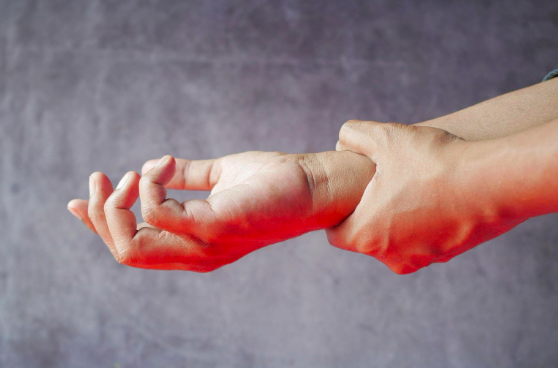
A Guide to Joint Pain after Menopause
How diet, exercise, lifestyle changes, and possible HRT can help with join pain
-
Joint Pain and Menopause
The role estrogen plays in our joints as well as helpful tips on managing joint pain
-

Menopause Joint Pain
What causes Menopause joint pain and what to do about it