Menopause and Brain Fog
Explanation
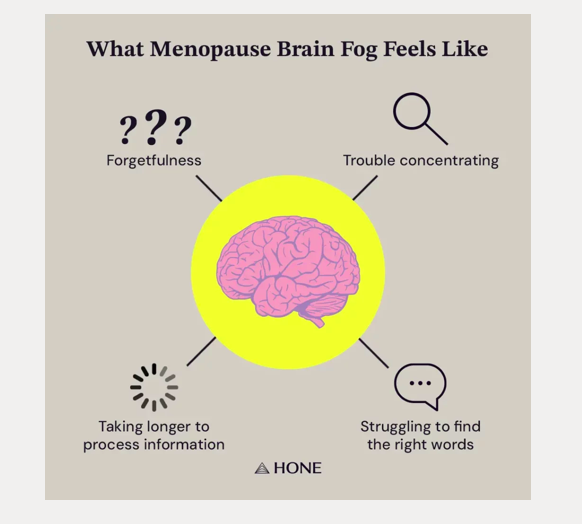
During the menopause transition, many women experience what is commonly called “brain fog.” This includes forgetfulness, trouble concentrating, mental fatigue, and difficulty finding words. While not a permanent cognitive decline, these symptoms can feel disruptive and affect confidence, productivity, and overall well-being. Brain fog is often temporary but can be frustrating and unsettling.
Causes and Risk Factors
Brain fog in menopause is largely influenced by hormonal changes, especially the decline in estrogen and progesterone. These hormones play a role in neurotransmitter function, blood flow to the brain, and memory regulation. Risk factors that can worsen brain fog include:
Fluctuating estrogen levels during perimenopause
Poor sleep, especially from hot flashes or night sweats
Chronic stress and high cortisol levels
Depression or anxiety
Lifestyle habits such as poor nutrition, alcohol, or lack of exercise
Genetic predisposition to cognitive changes
Other Health Conditions Linked
Brain fog during menopause can overlap with or increase the risk of other health conditions, including:
Insomnia – sleep disturbances reduce memory and focus
Depression and anxiety – mental health challenges amplify cognitive symptoms
Cardiovascular disease – poor heart health is connected to cognitive decline
Thyroid disorders – often mimic or worsen menopausal symptoms
Diabetes and metabolic syndrome – blood sugar fluctuations affect brain function
Dementia risk – while menopause does not cause dementia, midlife cognitive shifts highlight the importance of brain health
Diagnosis and Treatment
There is no single medical test for “menopause brain fog,” but diagnosis involves ruling out other conditions such as thyroid imbalance, anemia, or vitamin deficiencies. Health professionals may consider:
Symptom tracking (memory lapses, attention issues, sleep quality)
Blood tests to check hormones, thyroid, and nutrient levels
Mental health screening for depression and anxiety
Treatment options include:
Hormone therapy (HRT): May improve memory, focus, and sleep in some women
Non-hormonal medications: For mood, sleep, or anxiety support
Cognitive behavioral therapy (CBT): Helps with stress, anxiety, and coping strategies
Supplements: Omega-3 fatty acids, B vitamins, vitamin D, and magnesium may support brain health (always consult a professional first)
Preventative Lifestyle Measures
Healthy daily habits can reduce the impact of brain fog and support long-term brain health:
Prioritize sleep: Maintain a consistent routine and create a calming bedtime ritual
Eat for brain health: Incorporate omega-3s, leafy greens, berries, and whole grains
Exercise regularly: Aerobic activity boosts blood flow and cognitive function
Manage stress: Meditation, mindfulness, and breathwork reduce cortisol levels
Stay mentally active: Reading, puzzles, new hobbies, or learning a skill keep the brain engaged
Limit alcohol and processed foods: Both can impair brain clarity
Build community: Social interaction stimulates memory and emotional health
Menopause and Brain Fog
-

Brain Fog
Mayo Clinic Minute - Does Menopause cause BraingFog?
-
Brain Fog and Menopause
Different ways to help combat Brain Fog wether by HRT or with small things to do everyday
-

Brain Exercises
13 different brain exercises to help keep you mentally sharp as we age.